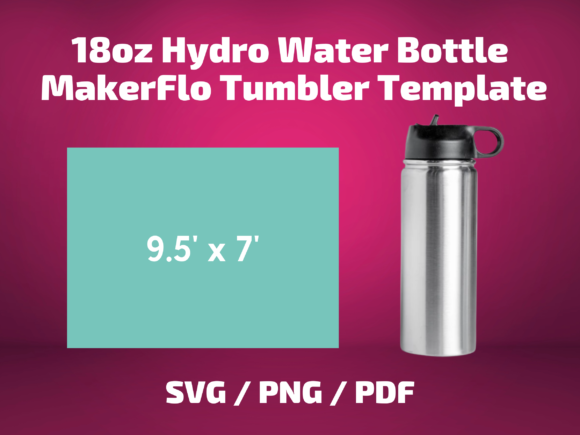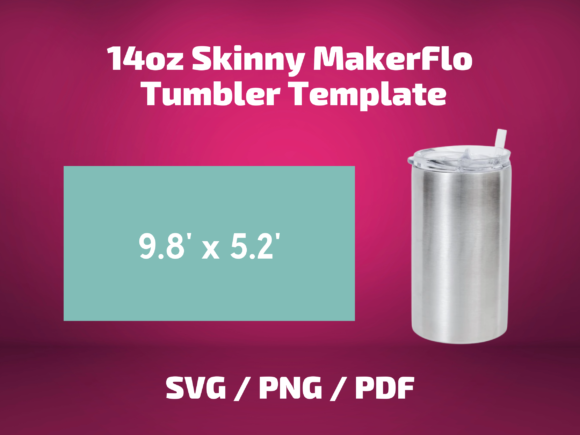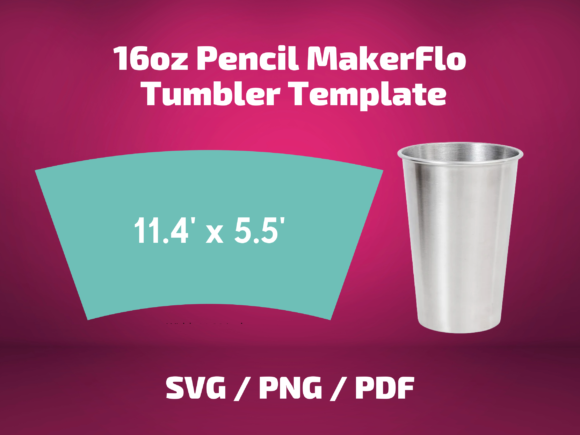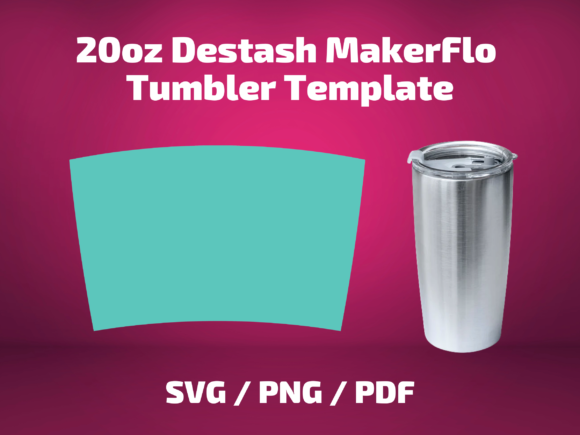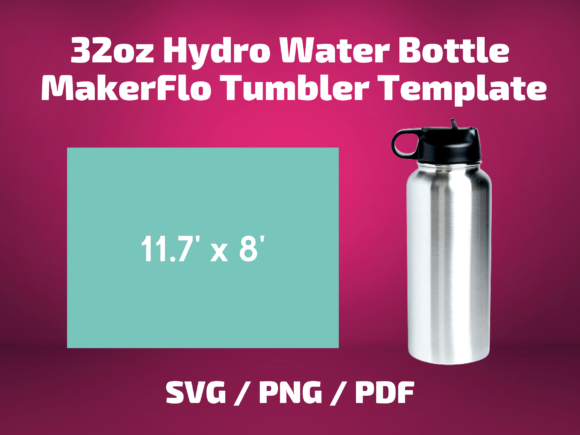
Tumbler Template Makerflo 32 Oz Hydro
Let’s be real: I opened the Tumbler Template Makerflo 32 Oz Hydro file expecting a crisp, sublimation-ready outline—and got something far more nuanced. As a designer who’s stitched hundreds of custom orders—from baby onesies to boutique aprons—I don’t just scan templates; I imagine them stitched, washed, held in hands, gifted, and Instagrammed. This one? It’s not flashy. It’s quiet, clean, and built for function—not fanfare.
A Design That Breathes on Fabric
The first thing that struck me wasn’t the shape—it was the negative space. The Tumbler Template Makerflo 32 Oz Hydro isn’t a busy graphic or a layered illustration. It’s a precise, minimalist silhouette with subtle contour cues: a gentle taper at the base, a soft shoulder curve, and a lid line that reads as intentional—not accidental. That matters. When you translate this into an embroidery file, those curves become satin stitch paths that flow smoothly under the needle. No jagged edges. No awkward tension pulls on stretchy knit sweatshirts or lightweight tea towels.
I tested it as a standalone motif on a linen-cotton kitchen towel—no applique, no fill stitch, just a single-outline running stitch at 0.8mm width. It landed with clarity and calm. Customers notice that kind of restraint. It says “thoughtful handmade,” not “crammed-in clipart.” For Etsy sellers curating a cohesive holiday collection or small shop owners building a brand around modern utility (think ceramic mugs, reusable bags, minimalist nursery decor), this template quietly reinforces consistency.
Where It Shines—and Where It Asks for Care
This isn’t a one-size-fits-all embroidery file. Its strength lies in intentionality—not versatility. Here’s where it works beautifully:
- Embroidered patches: Clean lines hold up in heat-applied or sewn-on formats, especially on denim jackets or canvas tote bags.
- Sweatshirt embroidery: On midweight fleece or French terry, the moderate scale (roughly 3–4" tall when scaled to fit a standard 4x4 hoop) reads clearly without overwhelming the garment.
- Personalized gifts: Paired with a monogram or short sentiment (“Hydrate Well,” “Sip Mindfully”), it becomes a meaningful, low-clutter addition to baby blankets or graduation caps.
- Digital embroidery file previews: Because it’s vector-based (SVG/PNG/PDF), it scales cleanly for printable mockups—critical for craft business listings where buyers need to visualize placement before ordering.
But here’s what I watched closely during testing:
- Hoop size: Don’t assume it fits your smallest hoop without checking dimensions. The description rightly notes Cricut updates may shift scaling—so verify actual millimeter measurements before digitizing.
- Fabric texture: On nubby bouclé or thick terry cloth, fine details like the lid seam vanish. Stick to smooth or tightly woven fabrics unless you’re willing to simplify the stitch path manually.
- Dark fabric: The design relies on contour—not contrast. On black or navy, use bright white or metallic thread, and add a light stabilizer backing to prevent shadowing.
- Curved surfaces: Caps and curved tumblers demand careful hooping and possibly reduced density. A dense fill stitch version would pucker; stick to outlines or light satin stitch for wearable pieces.
Real Project Moment: The Boutique Tote Bag Launch
Last week, I used the Tumbler Template Makerflo 32 Oz Hydro as the central motif for a limited-run set of organic cotton tote bags—intended for a local café’s “Bring Your Own Bottle” campaign. I paired it with a small sans-serif “32 oz” beneath, digitized both as satin stitch outlines only, and stitched them together at 3.5" wide.
Why it worked: no competing textures, no over-embellishment, and zero visual fatigue. Customers didn’t just see a tumbler—they recognized intention. One buyer emailed saying, “It looks like it belongs on the product, not pasted on top.” That’s the gold standard for handmade product design.
Had I tried it on a ribbed knit baby onesie? I’d have simplified the lid line entirely—or skipped it. Had I pushed it onto a dark, textured apron without testing thread contrast first? It would’ve read as a smudge, not a statement. Real embroidery isn’t about what *can* be stitched—it’s about what *should* be.
Designer Notes You’ll Actually Use
Before you load the Tumbler Template Makerflo 32 Oz Hydro into your embroidery software or list it in your Etsy shop:
- Test on scrap fabric matching your final project’s weight and stretch—even if it’s “just an outline.” Thread tension shifts unexpectedly on knits.
- Check stitch density in tight corners. If your software auto-generates heavy fill in the lid area, reduce it manually. Less is more here.
- Confirm licensing. Since this is a Print Templates asset marketed for sublimation, verify whether commercial embroidery use is explicitly permitted—especially if selling finished embroidered products.
- Run black-and-white mockups. Does the shape hold up without color cues? It should.
- Compare light and dark backgrounds side-by-side. Adjust underlay or stabilizer choice accordingly—cutaway for knits, tear-away for stable wovens.
- Ask yourself: does this elevate the product—or just fill space? For personalized gifts and small shop merchandise, the answer must be “elevate.”
Final Thought: Quiet Confidence Over Quick Clicks
The Tumbler Template Makerflo 32 Oz Hydro won’t go viral for its drama. It won’t dominate a craft fair table with glitter or neon. But it earns trust—one clean stitch at a time. It suits the maker who values precision over padding, clarity over clutter, and long-term brand cohesion over short-term trends.
If your craft business thrives on thoughtful customization—whether embroidering nursery pillows, stitching boutique sweatshirts, or designing digital embroidery files for other creators—this template doesn’t shout. It settles in. And sometimes, the most professional thing a design can do is simply belong.