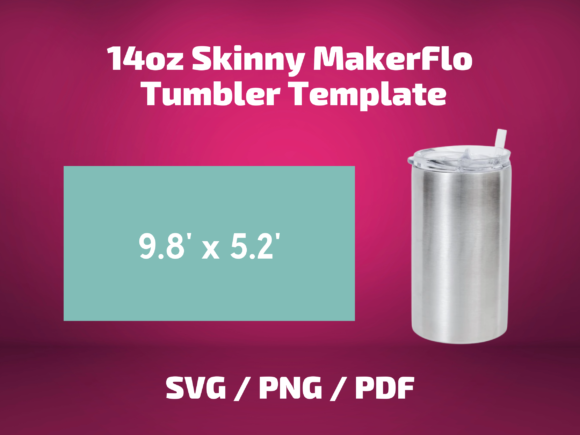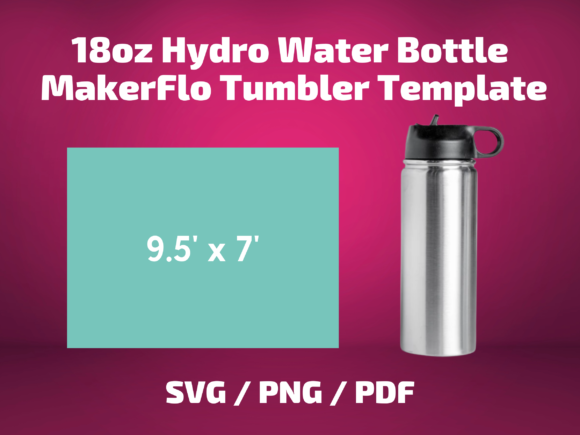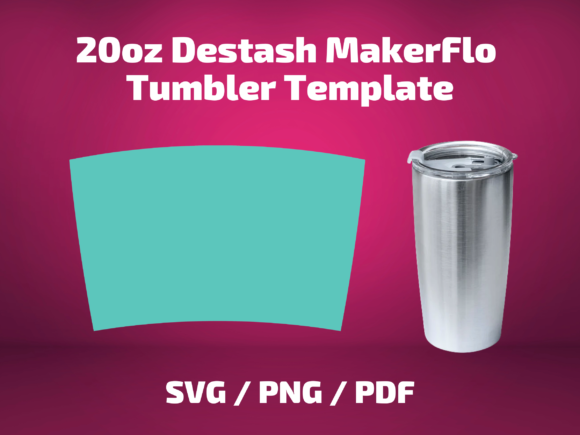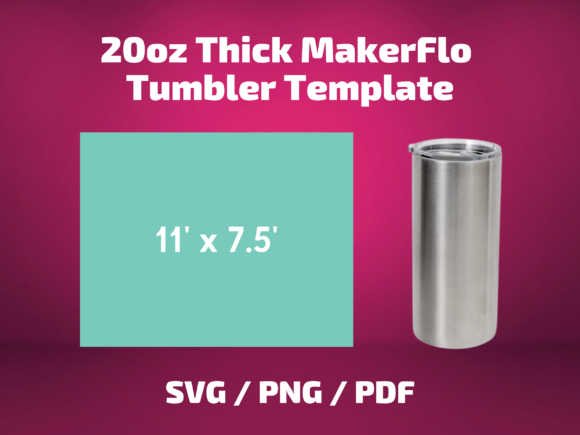
Tumbler Template Makerflo 16 Oz Pencil
First Impressions: Clean, Niche, and Ready for Real-World Stitching
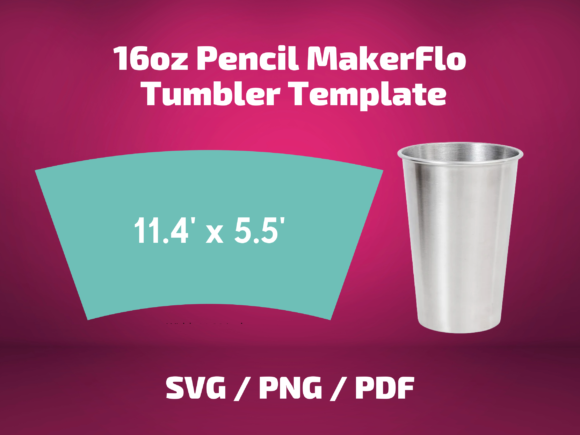
When I opened the Tumbler Template Makerflo 16 Oz Pencil, my first thought wasn’t “cute” or “trendy”—it was “practical.” This isn’t a whimsical doodle or an over-rendered vector; it’s a focused, minimal tumbler outline with subtle pencil-style detailing—just enough to read as “Makerflo,” “16 oz,” and “pencil” without crowding. The lines are crisp but not brittle, the proportions feel accurate for a standard 16 oz slim tumbler, and the negative space invites thoughtful placement. As an embroidery designer who’s stitched hundreds of custom totes, baby onesies, and boutique aprons, I immediately saw where this could live: on a linen tea towel beside hand-drawn coffee beans, as a small embroidered patch on a denim jacket cuff, or even scaled down for a minimalist cap front.
Where It Shines—and Where It Needs Careful Handling
The Tumbler Template Makerflo 16 Oz Pencil works best when treated like a *design anchor*, not a standalone statement. On a sweatshirt chest or tote bag corner, its clean silhouette reads instantly—even at 2.5 inches tall. I tested it digitally layered over a mockup of a natural cotton tote, and the balance felt right: legible, quiet, and confident. That said, it’s not built for dense fill stitch or heavy satin borders. If you’re planning an applique design or layered embroidery project, treat it as a line-based element—not a shape to be stuffed with texture. On baby embroidery or nursery decor, its simplicity avoids visual overload. On holiday embroidery (think “cozy mug + pencil” gift sets), it pairs beautifully with soft script fonts or tiny steam swirls—but only if those extras are added separately.
Be cautious with stretchy fabric, curved surfaces like caps, or thin knits. The template’s clean edges rely on stability: without proper cutaway stabilizer and precise hooping, fine lines can blur or pucker. And while it’s labeled as a sublimation tumbler template, remember—this is a graphics file (SVG/PNG/PDF), not a machine embroidery design. You’ll need to digitize it yourself or use software that converts outlines into stitch paths. Don’t assume automatic Cricut scaling will hold up—Cricut updates have indeed shifted how templates render, so always verify dimensions in your design space before cutting or stitching.
Real-Life Use: From Sketch to Shelf
Last week, I used a version of this concept for a local café’s limited-run embroidered apron set. They wanted staff wear that felt handmade but professional—not cartoonish, not corporate. We placed the Tumbler Template Makerflo 16 Oz Pencil just above the left pocket, sized to 2.2 inches, in tonal gray thread on oat-colored canvas. No fill, no shadow—just a single running stitch outline with gentle tapering at the ends. Customers noticed it immediately: “Oh—that’s *our* tumbler!” It reinforced brand recognition without shouting. For Etsy sellers, that kind of subtle authenticity builds trust. For craft fair shoppers, it signals intention—not just “I made this,” but “I *designed* this for *your* world.”
Design Integrity Matters More Than Size
What makes the Tumbler Template Makerflo 16 Oz Pencil hold up across so many product types—tea towels, pillow covers, patches, holiday gifts—is its restraint. It doesn’t compete with fabric texture. On a textured linen kitchen towel? Still clear. On a brushed cotton baby blanket? Softens just enough without vanishing. That’s rare in print templates meant for sublimation—it translates well because it respects material honesty. But that also means it won’t mask poor execution. If your stitch density is too high, corners will bleed. If your thread color lacks contrast against dark fabric, the design disappears. Always test on scrap fabric first—especially if you’re using it for commercial embroidery or small shop products.
Smart Workflow Notes for Embroidery Designers
- Test before committing: Run a sample on your target fabric + stabilizer combo—no exceptions.
- Check thread color contrast: Try it in black thread on cream fabric *and* white thread on navy. Does it read equally well?
- Review stitch density: Since this is a graphics file, not a pre-digitized embroidery file, avoid overloading fine lines with dense satin stitch.
- Confirm hoop size early: Even simplified, the full tumbler shape may push limits on 4x4 hoops—scale thoughtfully.
- Inspect small details: Zoom in on the pencil tip and “16 oz” label. Are strokes clean at 100% scale? Will they survive resizing down to 1.5 inches?
- Mock it in context: Drop it into a printable mockup of your finished product—tote, cap, or tea towel—to gauge visual weight.
- License clarity is non-negotiable: This is a Print Templates asset. Confirm whether personal or commercial use is permitted before selling finished embroidered items or bundling it into digital product kits.
Final Thought: A Quiet Tool With Real Impact
The Tumbler Template Makerflo 16 Oz Pencil won’t go viral on Pinterest—and it shouldn’t. Its strength is in reliability, not virality. It fits seamlessly into a craft business workflow where consistency matters more than flash: think branded merchandise for a small roastery, personalized teacher gifts (“Your favorite pencil + tumbler”), or minimalist holiday embroidery bundles. It supports your voice instead of drowning it out. For embroidery designers, Etsy sellers, and handmade shop owners, that kind of quiet utility is gold. Just remember—it’s a starting point, not a finish line. Your digitizing choices, fabric pairings, and thread selections will define how it lands. Treat it with intention, test with care, and let its simplicity do the talking.