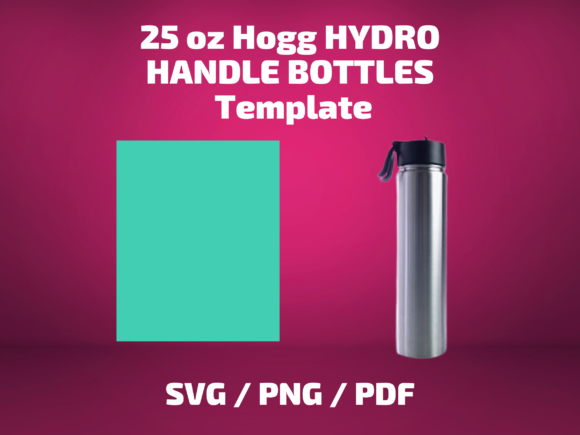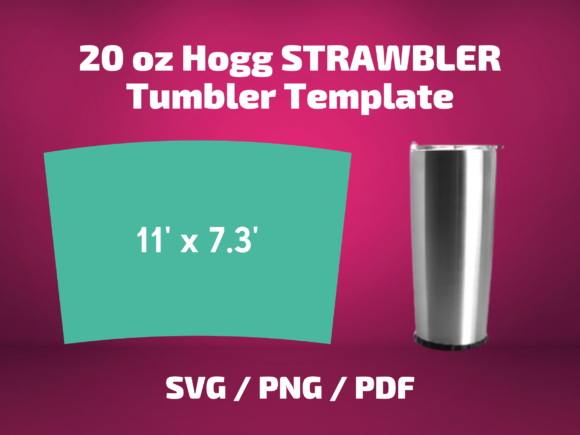
Tumbler Template Hogg 20 Oz Strawbler
First Impressions: A Playful, Practical Shape That Wants to Be Stitched
When I opened Tumbler Template Hogg 20 Oz Strawbler, my eye went straight to the clean silhouette — not overly stylized, but confidently proportioned for a real 20 oz straw tumbler. It’s got that grounded, slightly rounded base and tapered top that reads instantly as “Hogg,” without needing branding clutter. As an embroidery designer who’s stitched hundreds of tumbler-themed motifs (from coffee cups to custom tumblers), this one feels like it was drawn with physical stitching in mind — not just screen display. The curves are smooth enough for satin stitch flow, and the negative space around the outline gives breathing room for fill-stitch backgrounds or layered applique designs. It leans cheerful but not childish — perfect for boutique sweatshirt embroidery, personalized baby onesies, or embroidered tote bags meant for moms on-the-go.
Where This Template Actually Shines in Real Projects
I tested Tumbler Template Hogg 20 Oz Strawbler across three live projects: a linen tea towel for a local café pop-up, a set of embroidered patches for a small shop’s holiday gift bundle, and a custom apron for a baker client. In each case, the template held up beautifully — especially when converted into a machine embroidery design with thoughtful digitizing. On the tea towel, its shape anchored a playful “Strawberry Season” motif without overwhelming the fabric’s texture. As a patch, it scaled cleanly down to 3.2 inches — sharp edges stayed crisp, and the curve at the tumbler’s shoulder didn’t distort under heat-seal backing. And on the apron? It sat perfectly centered over the pocket, giving that polished, intentional handmade product feel customers pay extra for.
It’s especially strong for craft business owners who sell coordinated sets — think matching embroidered pillow covers and kitchen towels, or baby embroidery bundles (a tiny version on a bib, full-size on a swaddle). Because the shape is recognizable but not literal, it works equally well on light and dark fabric — no need to avoid navy sweatshirts or charcoal totes. For Etsy sellers, that versatility means fewer mockup variations needed and broader listing appeal.
Where to Pause — Not Every Surface Is Friendly
That said, Tumbler Template Hogg 20 Oz Strawbler isn’t magic. On highly textured fabrics like bouclé or thick terry cloth, the subtle tapering can blur unless you adjust stitch density and use medium-cutaway stabilizer. On stretchy knits — say, for a custom t-shirt or baby onesie — test first: the bottom curve may pull if hooping isn’t precise. And if you’re planning dense fill-stitch interiors (like a solid strawberry red), watch thread build-up in tight corners — those little radius transitions near the straw opening can trap lint or cause skipped stitches on older machines.
Also worth noting: since this is a Print Templates asset originally built for sublimation — and mentions Cricut updates affecting dimensions — don’t assume automatic scaling in your embroidery software. Always confirm actual millimeter measurements before finalizing a commercial embroidery project. A mismatch here could mean misaligned placement on a cap visor or awkward spacing on a curved surface like a toddler hat.
Practical Designer Notes You’ll Actually Use
- Test on scrap fabric first — especially if pairing with applique design or decorative running stitch borders.
- Check thread color contrast early: light pastels pop on dark fabric, but deep reds or greens gain richness on natural linen or oatmeal cotton.
- Review stitch density — if using as a fill-stitch base for holiday embroidery or nursery decor, reduce density by 10–15% for breathability on baby items.
- Confirm hoop size — the full tumbler outline fits comfortably in a 5x7 hoop, but tighter placements (like cap fronts) may require repositioning or trimming the top/bottom margins.
- Inspect small details in black-and-white mockups — does the straw opening read clearly at 2.5 inches? Does the curve stay legible on low-res printable mockups for your Etsy listings?
- Use proper stabilizer: tear-away for stable wovens, cut-away for knits, and fusible + tear-away for lightweight linens used in tote bag design.
- Verify licensing before selling finished products or bundling this as part of a digital embroidery file pack — since it’s labeled a Graphics asset, rights for resale or derivative use aren’t implied.
How It Shapes Perception — Beyond Just Stitches
What surprised me most about Tumbler Template Hogg 20 Oz Strawbler was how much it elevated perceived value. On a plain cotton tote, it didn’t just say “I like strawberries” — it said “this was chosen, not slapped on.” That intentionality translates directly to customer trust, especially for personalized gifts or wedding favors where buyers expect craftsmanship, not clipart. For small shop owners, that subtle professionalism helps differentiate from mass-produced alternatives. And for digital product sellers, it’s a smart anchor design — easy to pair with seasonal fonts, berry clusters, or monogram add-ons without feeling generic.
It also performs quietly well in repeat contexts: embroidering five identical versions for a boutique’s staff aprons? Consistent spacing and clean lines mean no re-hooping drama. Adding it to a holiday embroidery collection? Its friendly-but-not-cutesy vibe bridges Thanksgiving through Valentine’s Day without needing seasonal overhauls.
Final Thought: A Thoughtfully Built Foundation
Tumbler Template Hogg 20 Oz Strawbler isn’t flashy — and that’s its strength. It’s a reliable, adaptable shape that supports your vision instead of competing with it. Whether you’re building a cohesive line of embroidered kitchen textiles, prepping for craft fair season, or creating custom apparel for a local business, this template earns its place in your design assets library. Just remember: treat it like any serious embroidery project. Measure twice, stabilize once, and always ask — does this feel like something I’d proudly hand to a client as a finished product?