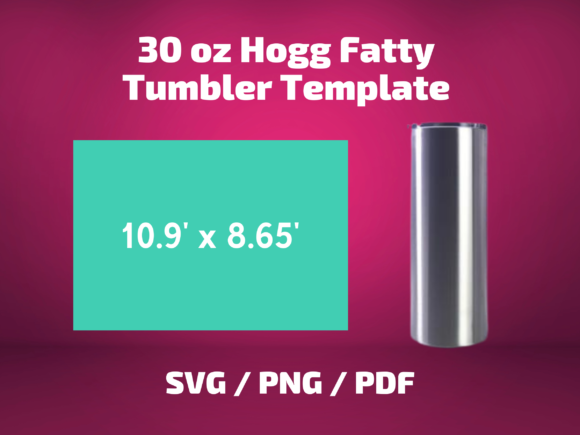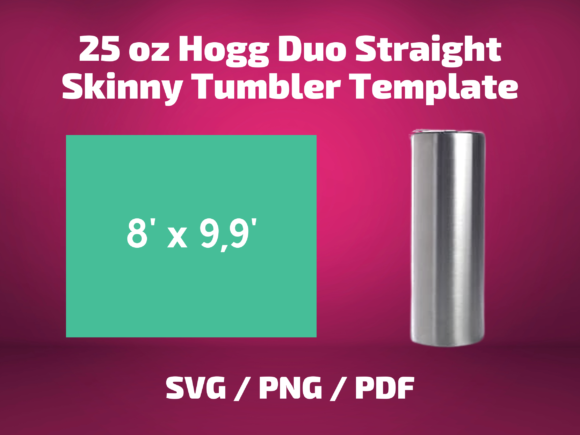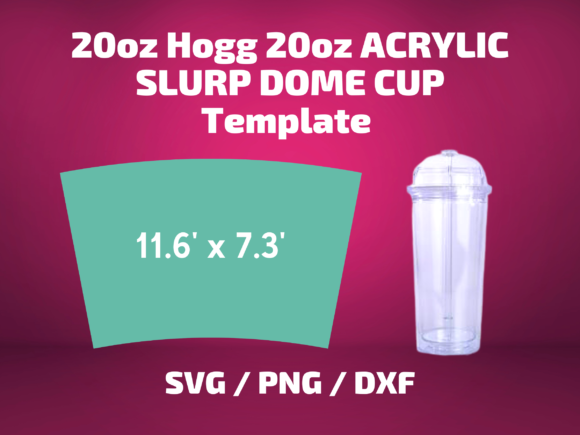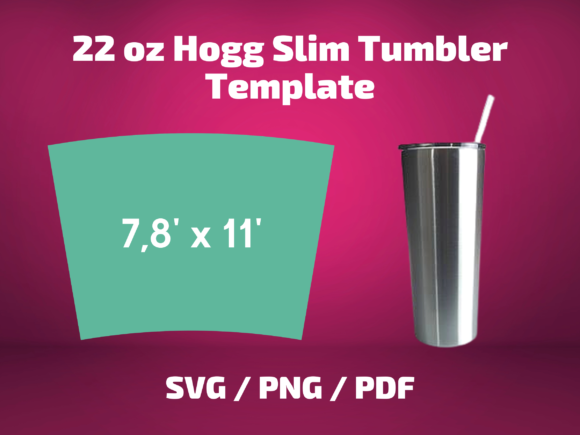
Tumbler Template Hogg 22 Oz Fatty: Graphics & Print Templates
As a brand designer who’s developed visual systems for over 30 local businesses—from artisanal coffee roasters in Portland to handmade candle studios in Asheville—I recently evaluated the Tumbler Template Hogg 22 Oz Fatty for a real-world project: rebranding a family-run bakery that sells seasonal tumbler bundles with house-blend cold brew and custom-printed drinkware. My first impression? It reads as bold, grounded, and unapologetically tactile—less “mass-produced clipart,” more “hand-drawn illustration with intentional weight.” The line work feels confident, the proportions suggest presence without clutter, and the silhouette carries subtle rustic charm. It leans into warmth and authenticity—not sleek minimalism or corporate polish—making it ideal for small business branding rooted in craft, community, and personality.
Where This Graphic Design Asset Fits Real Local Business Needs
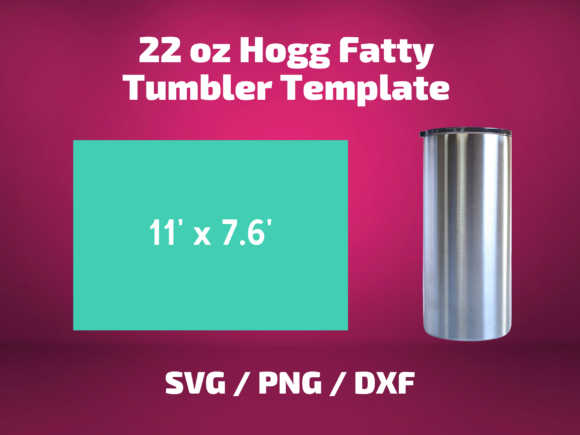
The Tumbler Template Hogg 22 Oz Fatty isn’t just a sublimation-ready SVG PNG PDF template for Hogg 22 oz fatty—it’s a flexible anchor for multiple touchpoints. For our bakery client, we used it across product labels (printed on kraft hang tags), packaging accents (foil-stamped onto recycled gift boxes), hero graphics (scaled for Instagram Reels and local farmers’ market banners), and even as a decorative frame around handwritten thank-you cards tucked into each order. It also anchored social media graphics—paired with warm-toned photography and serif typography—to reinforce visual consistency without repeating the same layout. Because it’s built for sublimation and digital use, it supports both physical product mockups and printable design needs, from shelf-ready beverage displays to limited-edition holiday campaign visuals.
How It Strengthens Brand Presentation—Not Just Decoration
Used intentionally, this graphic design asset elevates perception far beyond aesthetics. When applied to product labels, it improves shelf appeal by creating immediate recognition—even among competing tumblers at a boutique retail rack. Its strong silhouette establishes clear visual hierarchy, letting the brand name and flavor descriptor take priority while still adding texture and character. On packaging, it reinforces trust: customers associate thoughtful, cohesive design with care in craftsmanship—especially vital for handmade business and food-based brands where safety, freshness, and authenticity matter. In promotional materials, it builds emotional connection—its friendly-yet-substantial form evokes reliability and approachability, qualities that resonate deeply with neighborhood-focused customers.
Best Use Cases for Maximum Impact
- Product labels and hang tags — especially on natural kraft or matte-finish substrates where its bold lines hold contrast
- Packaging accents — as a foil-stamped emblem on rigid gift boxes or embossed on cotton drawstring bags
- Hero graphics and social media banners — scaled cleanly for Instagram Stories, Facebook cover images, and email headers
- Seasonal campaign visuals — layered with hand-lettered copy for holiday, spring launch, or summer pop-up promotions
- Boutique visuals and local event signage — printed large-scale for farmers’ market tents or window clings
- Printable inserts and thank-you cards — paired with soft watercolor backgrounds or typewriter-style fonts
Where to Apply Caution—and Why
This Tumbler Template Hogg 22 Oz Fatty shines brightest when breathing room is allowed. Avoid cramming it onto crowded ingredient-heavy layouts—like FDA-compliant food labels where legibility trumps decoration. Don’t force it into ultra-minimalist luxury branding; its expressive energy competes with restraint. Skip using it directly on low-contrast backgrounds (e.g., light gray on white) without testing print output first. And never assume automatic Cricut compatibility—the note about manual dimension adjustment is critical: many small business owners overlook how recent software updates affect scaling accuracy, leading to misaligned sublimation prints. Always test before bulk production.
Practical Brand Designer Notes You Can’t Skip
- Test the Tumbler Template Hogg 22 Oz Fatty on real packaging mockups—not just screen previews—to assess scale, balance, and negative space.
- Check black-and-white usage: does it retain clarity in monochrome print? Essential for cost-effective business cards or receipt stamps.
- Preview it on small labels (under 2” width)—does detail survive at that size? If not, simplify or isolate key elements.
- Test it with your brand colors: does it harmonize with your palette—or clash with secondary hues?
- Compare side-by-side with competitor packaging. Does it stand out *for the right reasons*?
- Review PNG transparency: is the background truly clean, or does it contain faint artifacts that bleed into print?
- Inspect SVG editability: can you adjust stroke weight, remove layers, or recolor paths without distortion?
- Test alongside font pairings—serif, sans serif, script, handwritten, and display styles—to ensure typographic harmony.
- Confirm commercial licensing before applying it to client work, physical product sales, or any revenue-generating use. Not all creative marketplace assets include full commercial rights.
A Final Word for Small Business Owners and Creative Entrepreneurs
If you’re building a local business—whether you roast coffee, blend skincare oils, pour candles, stitch leather goods, or grow botanicals—the Tumbler Template Hogg 22 Oz Fatty offers more than convenience. It’s a starting point for visual storytelling that feels human, grounded, and memorable. Used with intention, it supports stronger first impressions, clearer brand identity, and more professional packaging—all of which translate directly into customer trust and repeat sales. As a graphic design asset, it bridges digital flexibility and physical presence—working equally well in Canva templates, Illustrator workflows, and sublimation printers. But remember: no template replaces strategy. Let it serve your voice—not define it. Choose wisely, test thoroughly, and always prioritize how your audience experiences your brand—not just how your files render on screen.